
Introduction
In the diverse cities and tranquil villages across Europe, countless individuals carry a responsibility often overlooked by society. These are the unsung heroes, quietly tending to the elderly, disabled, and those in need of constant care. They are unpaid carers. For many, the caregiving journey is not a choice, but a duty borne out of love and obligation. When the call to care arrives, it brings with it a mix of hope, fear, and an overwhelming sense of responsibility.
While the role of professional carers is widely recognised, the contributions of unpaid carers, particularly those from immigrant backgrounds, are often neglected. This article explores the experiences of unpaid carers across Europe, with a special focus on the unique challenges faced by immigrant carers from ethnic minority communities.
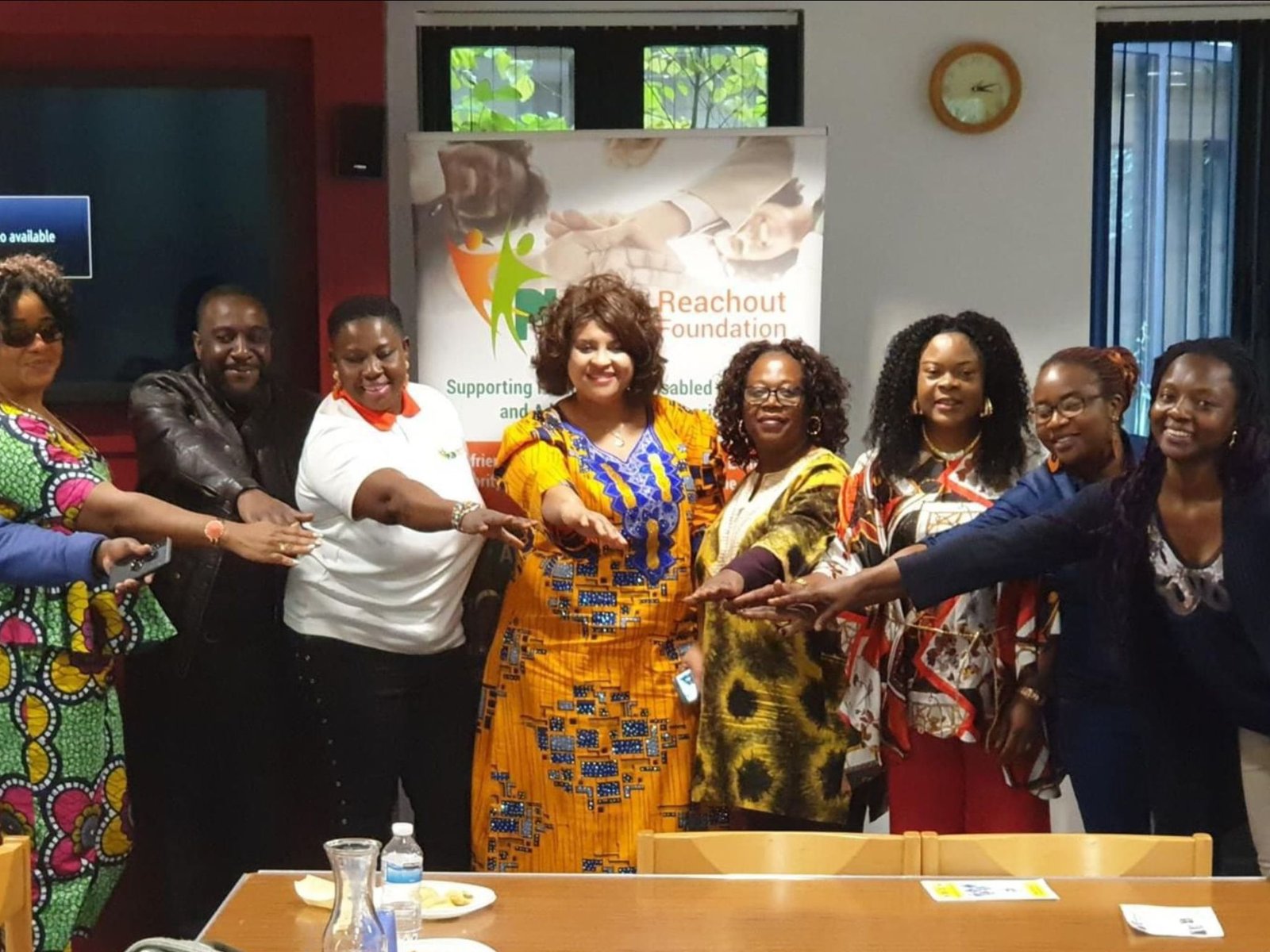
The Unsung Heroes: Unpaid Carers
Unpaid carers, often family members or close friends, devote significant parts of their lives to providing care without any financial compensation. Their duties range from personal care to medical assistance and managing household tasks. Despite their invaluable contributions, these carers often face a multitude of challenges, including financial difficulties, social isolation, and a lack of recognition and support.
Immigrant Carers: A Hidden Workforce
Immigrant carers, including those from diverse ethnic backgrounds, represent a substantial yet underappreciated segment of the caregiving community. They bring with them cultural understanding, resilience, and a deep sense of family responsibility. However, immigrant carers face additional hurdles, such as cultural expectations, language barriers, and the complexities of immigration status. These factors often limit their access to essential support services and hinder their integration into the wider community. In many ethnic minority families across Europe, children as young as 12 are often saddled with the responsibility of caring for ageing parents or disabled relatives. These young carers, while still navigating their own development and education, take on adult roles that can overwhelm them. They often miss out on the typical experiences of childhood and adolescence, and the demands of caregiving can affect their mental health, academic performance, and social life.
Challenges Faced by Ethnic Minority Carers in Europe
Carers from ethnic minority backgrounds, including immigrants, face a complex set of challenges that compound the already demanding nature of caregiving. These challenges include:
- Economic Hardship: The financial strain of caregiving is often compounded by limited access to adequate financial support, leading many to experience poverty and reliance on inadequate social services benefits.
- Isolation and Loneliness: Cultural differences and language barriers can deepen feelings of isolation, making it difficult for carers to connect with support networks and communities.
- Lack of Recognition and Support: The contributions of unpaid carers, especially those from ethnic minorities, are frequently undervalued, resulting in a lack of tailored support services and resources.
- Immigration Status Uncertainty: The complexities of immigration laws and policies create additional stress and instability for immigrant carers, particularly those without secure legal status.
- Health and Well-being: The relentless demands of caregiving often take a significant toll on both the physical and mental health of carers, with many suffering in silence without access to appropriate care themselves.
Rights Denied: Legal, Financial, and Social Challenges
Despite the rights available to unpaid carers in Europe, those from immigrant and ethnic minority backgrounds frequently encounter significant barriers in accessing them.
- Legal Rights: Immigrant carers often struggle to secure legal status, leaving them vulnerable to exploitation and limiting their access to legal aid and protections. Additionally, many are unaware of their rights, including eligibility for benefits, respite care, and other legal protections.
- Financial Rights: Financial support, such as Carer’s Allowance, is often insufficient to meet the needs of unpaid carers, especially those with additional dependents. The demands of caregiving also make it challenging for many to maintain employment, exacerbating financial instability.
- Social Rights: Language barriers, cultural differences, and the isolating nature of caregiving can lead to significant social isolation. Immigrant carers may also face discrimination based on race, ethnicity, or immigration status, further marginalising them within society. Addressing the challenges faced by unpaid carers from ethnic minorities and immigrant backgrounds requires a comprehensive approach, including:
- Policy Reform: Implementing immigration policies that better support carers, such as creating pathways to citizenship for those in caregiving roles.
- Financial Support: Increasing financial assistance, including Carer’s Allowance, and providing targeted support for immigrant carers.
- Language and Cultural Support: Offering language classes, interpreter services, and cultural competency training to ensure carers can access the support they need.
- Support Networks: Developing community-based support groups and services tailored specifically for immigrant and ethnic minority carers.
- Recognition and Appreciation: Publicly acknowledging the invaluable contributions of unpaid carers through campaigns and awards, ensuring their work is recognised and celebrated.
Conclusion
The lives of unpaid carers, particularly those from ethnic minority and immigrant backgrounds, are a testament to human compassion and resilience. Their dedication deserves more than just recognition; it demands active support. By addressing the challenges they face and advocating for their rights, we can build a society that truly values and sustains the vital work of carers from all backgrounds.