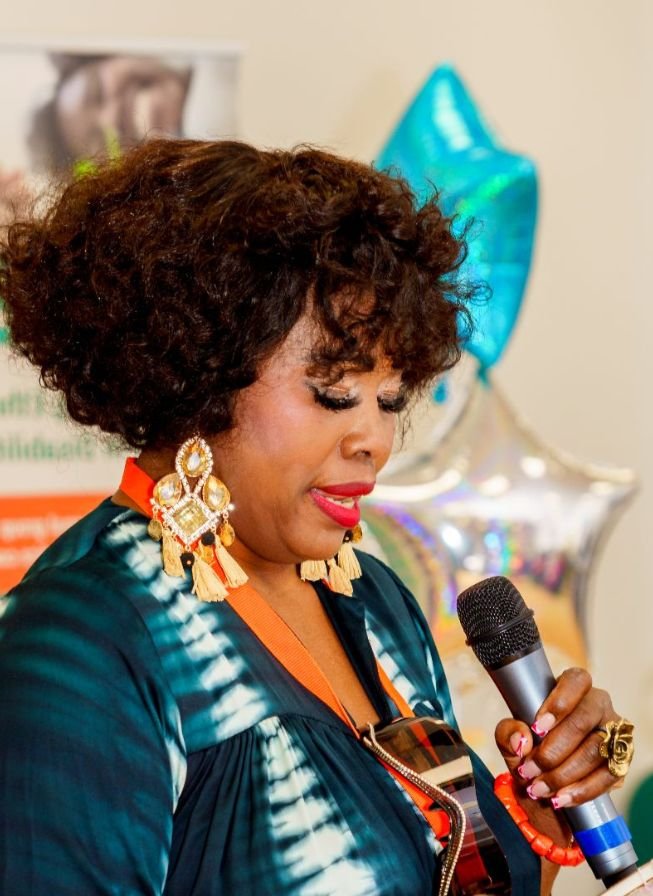
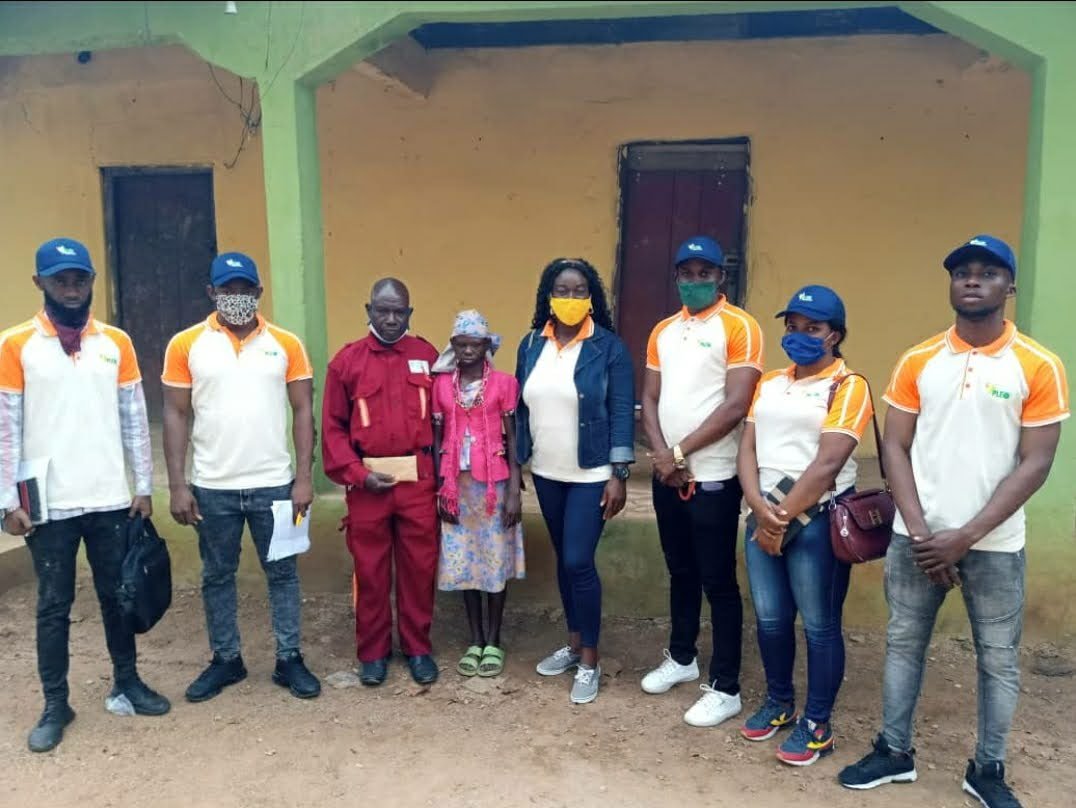
As the world pushes forward towards a more inclusive and equitable society and sets out December 3rd to celebrate the United Nations International Day of Persons with Disabilities (PWDs), The importance of empowering persons with disabilities has never been clearer. The 2024 theme for the International Day of Persons with Disabilities, “Amplifying the Leadership of Persons with Disabilities for an Inclusive and Sustainable Future” serves as a timely reminder that leadership from every corner of society is vital to achieving true sustainability. This theme underscores the need to not only include but also amplify the voices of PWDs in decision-making processes at all levels. This article aims to recognise the remarkable leadership of persons with disabilities, particularly within the Black and African communities, and to foster a more inclusive world through active empowerment and support. It also aims to address both the systemic barriers disabled individuals face in leadership roles in the workplace and the crucial steps we can take to build a more inclusive future by empowering the next generation of leaders with
disabilities.
In doing the above, a few key questions come to mind:
Question 1: How often do we recognise the leadership potential in persons with disabilities
within our communities?
Question 2: What are some barriers to leadership for persons with disabilities, specifically in
Black and African communities?
Question 3: What can we, as a society, do differently to ensure that persons with disabilities are
provided the tools to lead?
Global Disability Statistics
Let’s take a look at some global disability statistics with particular focus on the Black & African
communities
- 1 in 7 people globally have some form of disability (15% of the world’s population).
- Over 1 billion people are estimated to be living with disabilities worldwide.
- 85% of people with disabilities live in developing countries, where access to opportunities is
significantly limited. Black and African Communities: - In the U.S., African Americans represent 12.6% of the population but make up about 15% of
the disabled population. - In many African countries, persons with disabilities face high levels of stigma and limited
access to education and healthcare, leading to lower participation in leadership roles. - In the UK, Black people with disabilities report higher levels of discrimination in both healthcare
and employment.
The Power of Leadership:
Leadership is about influence, representation, and the ability to create change. For PWDs, leadership offers a unique perspective often missing in mainstream governance and organisational decision-making. PWDs face distinct challenges, from limited access to education and healthcare to systemic discrimination. Yet, these very challenges often cultivate resilience, innovation, and determination—qualities intrinsic to effective leadership. By empowering PWDs to take on leadership roles, we’re not just ticking a box of representation; we’re enriching our communities with diverse insights and solutions that are critical to building an inclusive society. Leaders with disabilities have proven time and time again that they are not only capable of contributing but also of excelling in leadership roles across sectors.
Amplifying the leadership of persons with disabilities also means empowering them to take charge, advocate, and shape their own futures. Leadership within the disabled community ultimately fosters inclusion, innovation, and the development of sustainable solutions and allows persons with disabilities to influence policy, create role models, and inspire social change.
Moreover, inclusive leadership is essential for creating diverse workplaces that harness the unique perspectives of individuals with disabilities. By prioritising empathy, agility, and authenticity, leaders can cultivate a culture that values all contributions, driving innovation and sustainable practices.
Inclusion for Sustainability:
Inclusivity is not a favour, it’s a necessity for sustainable development. The United Nations’ Sustainable Development Goals (SDGs) emphasize reducing inequalities and ensuring that no one is left behind. However, this cannot be achieved if PWDs are excluded from leadership roles.
Furthermore, empowering persons with disabilities in leadership roles not only enhances
organisational performance but also addresses social inequalities. This approach aligns with
global sustainability goals, ensuring that the voices of all community members are heard and
respected.
An inclusive future demands a multi-dimensional approach:
- Representation in Policy and Governance: PWDs must be part of the policymaking
process, shaping laws and systems that directly affect their lives. Representation
ensures that their voices are heard and their needs are addressed from the outset. - Economic Inclusion: Leadership opportunities should extend beyond traditional roles to
include entrepreneurship, executive positions, and advisory roles in economic
development strategies. When PWDs thrive economically, society as a whole benefits. - Education and Mentorship: Investing in the education and mentorship of young
persons with disabilities lays the foundation for a pipeline of future leaders. By providing
accessible educational resources and mentorship programs, we can empower the next
generation to take charge of their future.
Breaking Down Barriers
Despite progress, significant barriers to leadership for PWDs remain. Prejudices and
stereotypes about the capabilities of individuals with disabilities persist, often overshadowing
their potential contributions. Accessibility challenges, lack of assistive technologies, and limited
opportunities further compound the issue.
Governments, businesses, and communities must work together to dismantle these barriers.
This includes:
● Legislative Support: Enforcing laws that protect the rights of PWDs to equal opportunities in leadership roles.
● Awareness Campaigns: Challenging stereotypes through public education and showcasing successful leaders with disabilities.
● Funding and Resources: Providing funding for initiatives that support leadership training, scholarships, and accessible technologies for PWD.
Amplifying Voices
Amplification goes beyond giving a seat at the table. It involves creating environments where
the voices of PWDs are actively sought, valued, and acted upon. This means:
● Accessible Platforms: Ensuring meetings, conferences, and media platforms are
accessible to all, including sign language interpretation and captioning services.
● Community Advocacy: Supporting grassroots movements led by PWDs to amplify their
concerns and solutions at a local level.
● Allies in Action: Encouraging allies to champion the leadership of PWDs in their
organisations and networks.
Overcoming Barriers to Leadership in the Workplace for Persons with Disabilities
Content:
• Physical Barriers: Inaccessible workplaces, lack of adaptive tools or equipment, and
limitations in transportation that hinder leadership opportunities.
• Cultural and Societal Stigma: Prejudices and stereotypes about disability often lead to biases in hiring, promotion, and recognition, which can prevent disabled individuals from taking on leadership roles.
• Lack of accessibility in Decision-Making Spaces: In many workplaces, leadership and decision-making spaces may not be physically or technologically accessible, limiting the ability of persons with disabilities to fully participate or lead.
• Limited Mentorship Opportunities: The lack of disabled leaders to mentor the next generation can create a cycle of limited opportunities and development for individuals with disabilities in the workforce.
Solution Focus:
• Encourage organizations to adopt inclusive hiring practices, implement mentorship programs, and create accessible spaces for leadership development.
• Shift workplace cultures to embrace diversity and inclusion, promoting individuals with disabilities into leadership roles.
Building a Sustainable Future
The journey toward an inclusive and sustainable future is a collective responsibility. Amplifying
the leadership of persons with disabilities is not just an act of fairness but a strategic move to
unlock untapped potential. By embracing diversity in leadership, we pave the way for a future
that reflects the values of equity, collaboration, and innovation.
Education and Skill Development: Providing access to quality education, professional training,
and leadership programs tailored to the needs of individuals with disabilities, ensuring they are prepared for leadership roles in any sector.
Mentorship and Role Models: Establishing mentorship programs where current disabled leaders can provide guidance, support, and inspiration to the next generation, sharing their experiences and insights.
Creating Supportive Networks: Developing strong networks that encourage collaboration,
knowledge exchange, and leadership training for young people with disabilities, helping them build confidence and leadership skills from an early stage.
Encouraging Representation: Ensuring that disabled individuals are represented in leadership
roles across various sectors, offering them visibility and setting a strong example for others
to follow.
Action Steps:
Advocate for inclusive policies that provide equal access to education, leadership training, and career opportunities for disabled youth. Support initiatives that foster mentorship and peer-to-peer learning within disabled communities to build strong leadership pipelines. By taking the above steps and empowering disabled youth with the tools, opportunities, and confidence to become the leaders of tomorrow, we will be creating a future where disability is no longer a barrier to leadership. We will also be empowering the next generation of disabled leaders and ensuring that the future is brighter for everyone, regardless of ability.
Key Nuggets on Leadership and Empowerment for Persons with Disabilities
- Leadership Is for Everyone: Leadership is not defined by physical or mental ability, but by
vision, determination, and the drive to make a difference. Persons with disabilities possess
unique perspectives that make them exceptional leaders. - Overcoming Workplace Barriers: Creating inclusive workplaces begins with recognizing
and dismantling the physical, cultural, and systemic barriers that limit leadership
opportunities for persons with disabilities. - Empowerment through Education and Mentorship: Providing education, training, and
mentorship is crucial to empowering the next generation of disabled leaders. Mentorship
programs provide guidance, build confidence, and pave the way for future leadership. - Building Inclusive Networks: Leadership for persons with disabilities thrives in supportive,
inclusive networks. These networks foster collaboration, resource-sharing, and opportunities
for growth, helping disabled leaders reach their full potential. - Disability should not be a barrier to leadership: it should be a catalyst for creating more
inclusive, adaptive, and innovative systems. This includes providing opportunities for
persons with disabilities to lead, not just participate
Actionable Next Steps to Empower Persons with Disabilities in Leadership Roles
- Promote Inclusive Leadership Policies: Encourage organizations to create accessible
leadership development programs and remove barriers to leadership opportunities for
disabled individuals. Ensure that workplaces are physically and culturally inclusive. - Invest in Education and Skills Development: Support education programs that equip persons with disabilities with the necessary skills and leadership training to succeed in any field. This includes accessible academic and professional development resources.
- Mentorship and Peer Support: Establish and strengthen mentorship programs that connect emerging leaders with experienced role models in the disability community. This helps build confidence and creates a pipeline for future leaders.
- Support Representation and Visibility: Advocate for greater representation of disabled
leaders in visible positions within organizations, media, and public life. Increased visibility
provides inspiration and role models for others to follow. - Cultivate an Inclusive Workplace Culture: Work to remove biases and discriminatory
practices in the workplace. Employers should foster a culture that celebrates diversity
and actively promotes disabled individuals into leadership positions.
The leadership of disabled persons is not just a right; it is a powerful force for societal change. As we observe this year’s theme, let us commit to breaking barriers, challenging biases, and creating opportunities that empower PWDs to lead, and let us embrace their leadership as the cornerstone of a truly sustainable and inclusive world. Let us continue to explore the intersection of disability, leadership, and empowerment, focusing on how we can amplify the leadership of persons with disabilities. Let us also join the PLEO Reachout Organisation CIC and commit to being active participants in fostering this leadership in every community, so we can all lead with purpose, amplify voices, and create opportunities for all persons with disabilities to rise, shine, and lead.