
A Call for Equality and Empowerment on
International Men’s Day
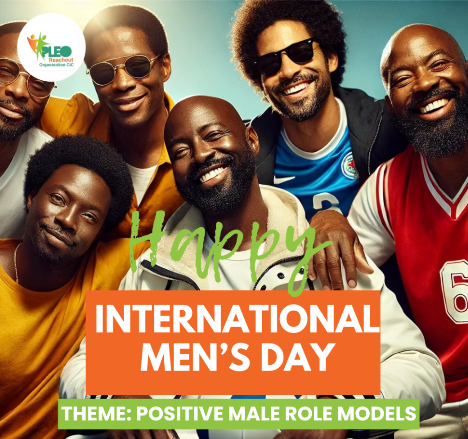
International Men’s Day provides a valuable opportunity to celebrate the achievements
of men worldwide while also addressing the unique challenges they face. In recognition
of the International Men’s Day 2024, themed, Positive Male Role Models”, PLEO
Reachout Organisation CIC reflects on “Supporting Men with Disabilities: A Call for
Equality and Empowerment,” and the important to shine a light on the experiences,
contributions and unmet needs of men living with disabilities.
Today does not only serve as a moment for recognition but also as a call to action to
ensure that men living with disabilities are given the same opportunities to thrive,
contribute and be empowered as their peers.
The Intersection of Disability and Masculinity
For many men with disabilities, the intersection of disability and masculinity can present
a complex set of challenges. Societal expectations around masculinity often place value
on physical strength, independence, and the ability to “provide” or “protect.” When a man
lives with a disability, these traditional ideals of masculinity can be difficult to navigate.
Men with disabilities may face barriers to fully participating in mainstream society,
whether due to physical limitations, inaccessible environments, or the stigma
associated with being both male and disabled.
However, this intersection also presents an opportunity to begin redefining what it
means to be a “man” in today’s world. It’s crucial to challenge the stereotypes that often
marginalise men with disabilities, highlighting that strength comes in many forms—not
only physical but emotional, intellectual and social. Men with disabilities have unique
experiences and perspectives that contribute greatly to society, whether in the
workplace, at home, or in the broader community.
The Specific Needs of Men with Disabilities
Men with disabilities often face distinct needs that must be addressed in a manner that
recognises both their disability and their gender. Some of the key areas where support is
needed include:
- Health and Wellbeing: Men with disabilities experience specific health challenges
that need targeted attention. For instance, mental health issues, such as
depression and anxiety, can be aggravated by the isolation and discrimination
faced by disabled men. Addressing both physical and mental health, and
promoting access to adequate healthcare services, is essential for their overall
wellbeing. - Access to Employment and Education: Men with disabilities often face barriers to
employment and education, which limits their opportunities for financial
independence and career development. There needs to be more inclusive work
environments, educational programs and accessible training opportunities on
offer, that recognise the value disabled men bring to the workforce. - Social Integration and Support: The social isolation that many men with
disabilities experience is a significant challenge. Empowering men with
disabilities means ensuring that they have access to meaningful social
interactions and community engagement. Social stigma and negative
perceptions of disability can contribute to feelings of exclusion, so it is crucial to
create more inclusive communities where disabled men are not only accepted
but celebrated for their contributions. - Empowerment through Mentorship and Role Models: Men with disabilities often
lack accessible role models who can provide guidance and inspiration.
Mentorship programs that connect disabled men with successful role models
can help foster self-confidence, leadership skills and a sense of purpose.
Empowering men through mentorship can also encourage the next generation of
disabled leaders and advocates.
Celebrating the Contributions of Men with Disabilities
On International Men’s Day, it is vital to honor the accomplishments and resilience of
men with disabilities. Despite facing significant obstacles, many men with disabilities
have made remarkable contributions to various fields, from the arts and sports to
science and advocacy.
Take, for instance, figures like Stephen Hawking, a world-renowned physicist who defied
expectations and made groundbreaking contributions to theoretical physics despite
living with ALS. Ayrton Senna, a legendary Formula 1 driver, used his platform to raise
awareness about the needs of people with disabilities, even after his tragic passing.
Justin Gallegos, an athlete with cerebral palsy, became the first runner with a disability
to sign a sponsorship contract with Nike, inspiring many others to challenge perceptions
of disability in sports.
Their stories, and countless others like them, remind us that men with disabilities are
capable of extraordinary achievements when given the opportunity, support and
resources to do so.
The Path Forward: A Call for Action
As we celebrate International Men’s Day 2024, it’s essential to recognise that men with
disabilities deserve more than just acknowledgment—they deserve action. This
includes: International Men’s Day provides a valuable opportunity to celebrate the achievements of men worldwide while also addressing the unique challenges they face. In recognition of the International Men’s Day 2024, themed, Positive Male Role Models”, PLEO Reachout Organisation CIC reflects on “Supporting Men with Disabilities: A Call for equality and Empowerment,” and the important to shine a light on the experiences, contributions and unmet needs of men living with disabilities. Today does not only serve as a moment for recognition but also as a call to action to ensure that men living with disabilities are given the same opportunities to thrive, contribute and be empowered as their peers.
The Intersection of Disability and Masculinity
For many men with disabilities, the intersection of disability and masculinity can present a complex set of challenges. Societal expectations around masculinity often place value on physical strength, independence, and the ability to “provide” or “protect.” When a man lives with a disability, these traditional ideals of masculinity can be difficult to navigate. men with disabilities may face barriers to fully participating in mainstream society, whether due to physical limitations, inaccessible environments, or the stigma associated with being both male and disabled. However, this intersection also presents an opportunity to begin redefining what it means to be a “man” in today’s world. It’s crucial to challenge the stereotypes that often marginalise men with disabilities, highlighting that strength comes in many forms—not only physical but emotional, intellectual and social. Men with disabilities have unique experiences and perspectives that contribute greatly to society, whether in the workplace, at home, or in the broader community.
The Specific Needs of Men with Disabilities
Men with disabilities often face distinct needs that must be addressed in a manner that recognises both their disability and their gender. Some of the key areas where support is needed include: Health and Wellbeing: Men with disabilities experience specific health challenges
that need targeted attention. For instance, mental health issues, such as
depression and anxiety, can be aggravated by the isolation and discrimination
faced by disabled men. Addressing both physical and mental health, and
promoting access to adequate healthcare services, is essential for their overall
wellbeing. - Access to Employment and Education: Men with disabilities often face barriers to
employment and education, which limits their opportunities for financial
independence and career development. There needs to be more inclusive work
environments, educational programs and accessible training opportunities on
offer, that recognise the value disabled men bring to the workforce. - Social Integration and Support: The social isolation that many men with
disabilities experience is a significant challenge. Empowering men with
disabilities means ensuring that they have access to meaningful social
interactions and community engagement. Social stigma and negative
perceptions of disability can contribute to feelings of exclusion, so it is crucial to
create more inclusive communities where disabled men are not only accepted
but celebrated for their contributions. - Empowerment through Mentorship and Role Models: Men with disabilities often
lack accessible role models who can provide guidance and inspiration.
Mentorship programs that connect disabled men with successful role models
can help foster self-confidence, leadership skills and a sense of purpose.
Empowering men through mentorship can also encourage the next generation of
disabled leaders and advocates.
Celebrating the Contributions of Men with Disabilities
On International Men’s Day, it is vital to honor the accomplishments and resilience of
men with disabilities. Despite facing significant obstacles, many men with disabilities
have made remarkable contributions to various fields, from the arts and sports to
science and advocacy.
Take, for instance, figures like Stephen Hawking, a world-renowned physicist who defied
expectations and made groundbreaking contributions to theoretical physics despite
living with ALS. Ayrton Senna, a legendary Formula 1 driver, used his platform to raise
awareness about the needs of people with disabilities, even after his tragic passing.
Justin Gallegos, an athlete with cerebral palsy, became the first runner with a disability
to sign a sponsorship contract with Nike, inspiring many others to challenge perceptions
of disability in sports.
Their stories, and countless others like them, remind us that men with disabilities are
capable of extraordinary achievements when given the opportunity, support and
resources to do so.
The Path Forward: A Call for Action
As we celebrate International Men’s Day 2024, it’s essential to recognise that men with
disabilities deserve more than just acknowledgment—they deserve action. This
includes: - Advocating for Equal Rights: Governments, organisations, and communities must
work to eliminate the barriers faced by men with disabilities, particularly in terms
of access to healthcare, education, and employment. - Promoting Inclusive Representation: The representation of men with disabilities
in media, politics, and leadership roles is essential for changing societal
perceptions and creating an inclusive culture. - Supporting Empowerment Initiatives: Providing access to programmes and
services that empower men with disabilities to lead fulfilling lives—whether
through job training, mentorship, or community engagement—is key to creating
lasting change. - Challenging Stereotypes: We must continue to challenge the stereotypes around
disability and masculinity. Men with disabilities should not be confined by limited
definitions of what it means to be a man. Strength, resilience and leadership
come in many forms, and men with disabilities are living proof of this.
Conclusion
On International Men’s Day, let us honour the strength, courage and resilience of men
with disabilities. As a society, we must continue to break down the barriers that hinder
their full participation and contribution. Through support, advocacy and empowerment,
we can ensure that all men, regardless of ability, are able to thrive, lead and make an
impact on the world around them.
Together, let’s celebrate diversity, challenge the norms, and work towards a more
inclusive future where men with disabilities can achieve their full potential. - Advocating for Equal Rights: Governments, organisations, and communities must
work to eliminate the barriers faced by men with disabilities, particularly in terms
of access to healthcare, education, and employment. - Promoting Inclusive Representation: The representation of men with disabilities
in media, politics, and leadership roles is essential for changing societal
perceptions and creating an inclusive culture. - Supporting Empowerment Initiatives: Providing access to programmes and
services that empower men with disabilities to lead fulfilling lives—whether
through job training, mentorship, or community engagement—is key to creating
lasting change. - Challenging Stereotypes: We must continue to challenge the stereotypes around
disability and masculinity. Men with disabilities should not be confined by limited
definitions of what it means to be a man. Strength, resilience and leadership
come in many forms, and men with disabilities are living proof of this.
Conclusion
On International Men’s Day, let us honour the strength, courage and resilience of men
with disabilities. As a society, we must continue to break down the barriers that hinder
their full participation and contribution. Through support, advocacy and empowerment,
we can ensure that all men, regardless of ability, are able to thrive, lead and make an
impact on the world around them.
Together, let’s celebrate diversity, challenge the norms, and work towards a more
inclusive future where men with disabilities can achieve their full potential.
nice more of this is needed