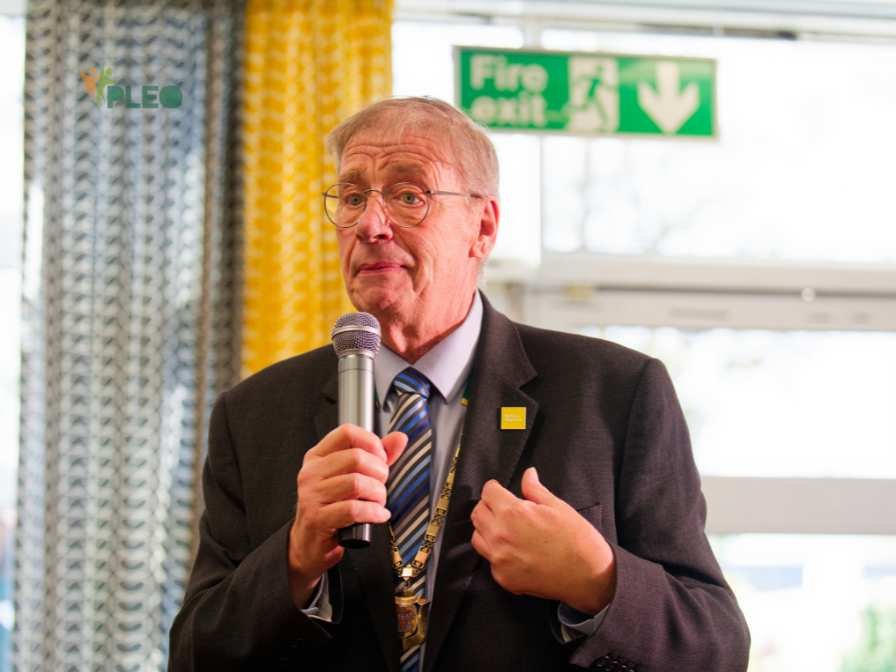
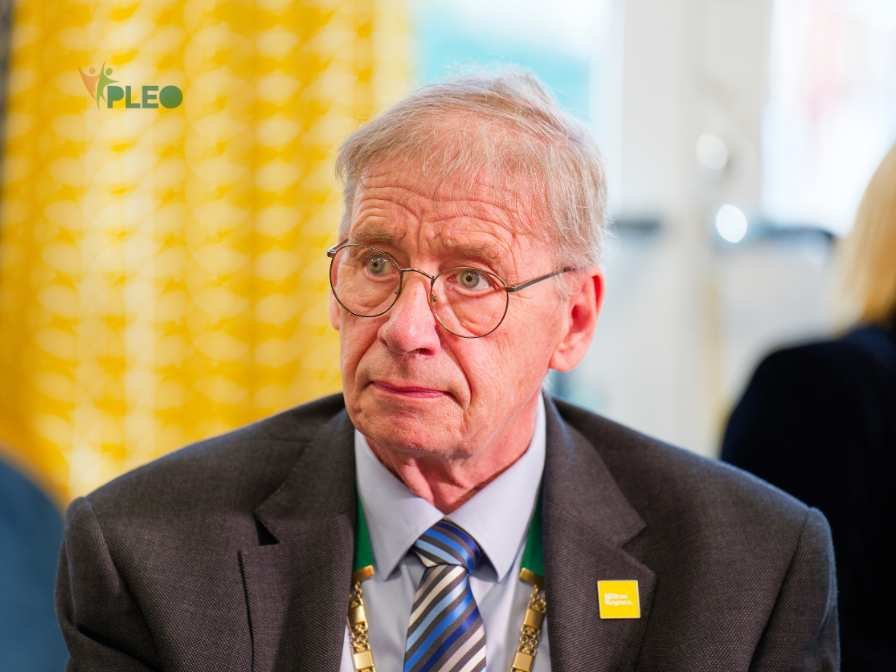
In one of the most compelling moments of the Ability Matters Conference, the Deputy Mayor of Milton Keynes delivered a deeply reflective and thought-provoking address, one that moved beyond statistics and spoke directly to the heart of community responsibility.
He began with a candid reflection on Milton Keynes’ recognition as one of the top 10 cities in the United Kingdom for adult social care. With a touch of humor and honesty, he admitted that such rankings can often sound vague, until clarified. Milton Keynes, he emphasized, holds the sixth position, a respectable standing that reflects progress, even if it falls short of the top spot.
But behind that ranking lies a sobering reality.
To illustrate, he held up a simple pound coin, a powerful symbol of the challenges faced in social care funding. Out of every £1 received through government funding and council tax, 69 pence is spent on adult and child social care. This leaves just 31 pence to cover everything else required to run a city, housing, roads, waste management, infrastructure, and more.
Yet, even that significant 69 pence is not enough.
The Deputy Mayor highlighted a difficult truth: both sides of the equation are under pressure. The funding allocated to social care falls short of the growing needs, while the remaining funds are equally insufficient to sustain the broader demands of the city. It is within this gap that a critical solution emergescommunity involvement.
He stressed that communities play an irreplaceable role in bridging this gap. While councils and institutions carry heavy responsibilities and large caseloads, communities bring something uniquely powerful: personal investment. The ability to care, connect, and act on a human level is something no system alone can fully replicate.
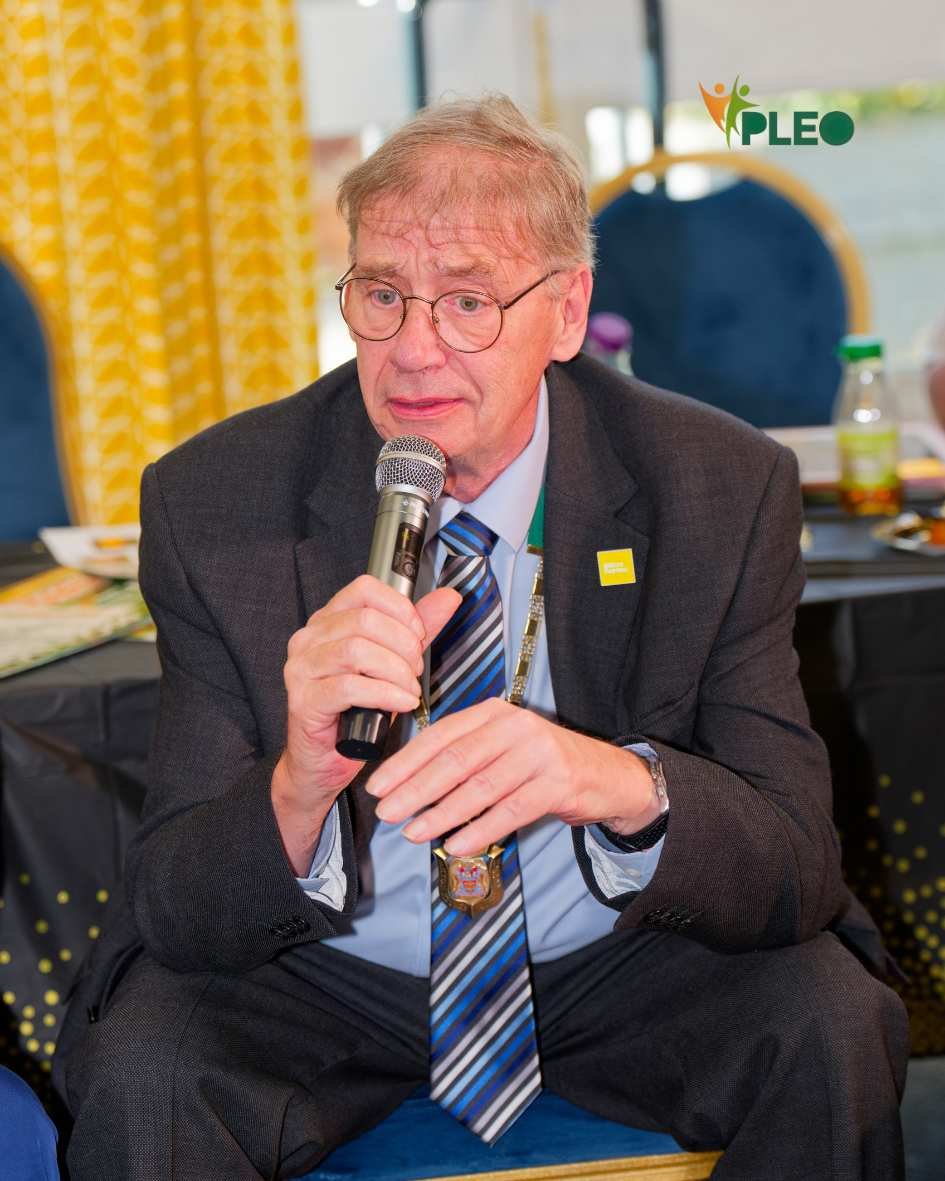
According to him, organizations like PLEO Reachout Organisation CIC are not just supportive, they are essential. They form a vital part of a holistic approach to social care, especially for individuals living with physical or mental disabilities. He made it clear that even institutions like the NHS, no matter how significant, will never have sufficient resources to meet every need on their own.
His message was clear: help is needed, and it must come from people.
He encouraged everyone present to continue their work, to expand their reach, and most importantly, to speak up. Sharing their efforts, inviting others to participate, and building stronger networks of support are key to sustaining impact.
Closing on a deeply human note, he reflected on life’s most meaningful moments. In the final hours of life, he said, people do not ask for their awards, achievements, or accolades. They ask for the presence of loved ones, to hold a hand, to feel connection. Because, in the end, it is people who matter, at the beginning, at the end, and every moment in between.
His words served as both a reminder and a charge: continue to care, continue to serve, and continue to put people first, because everything else is secondary.